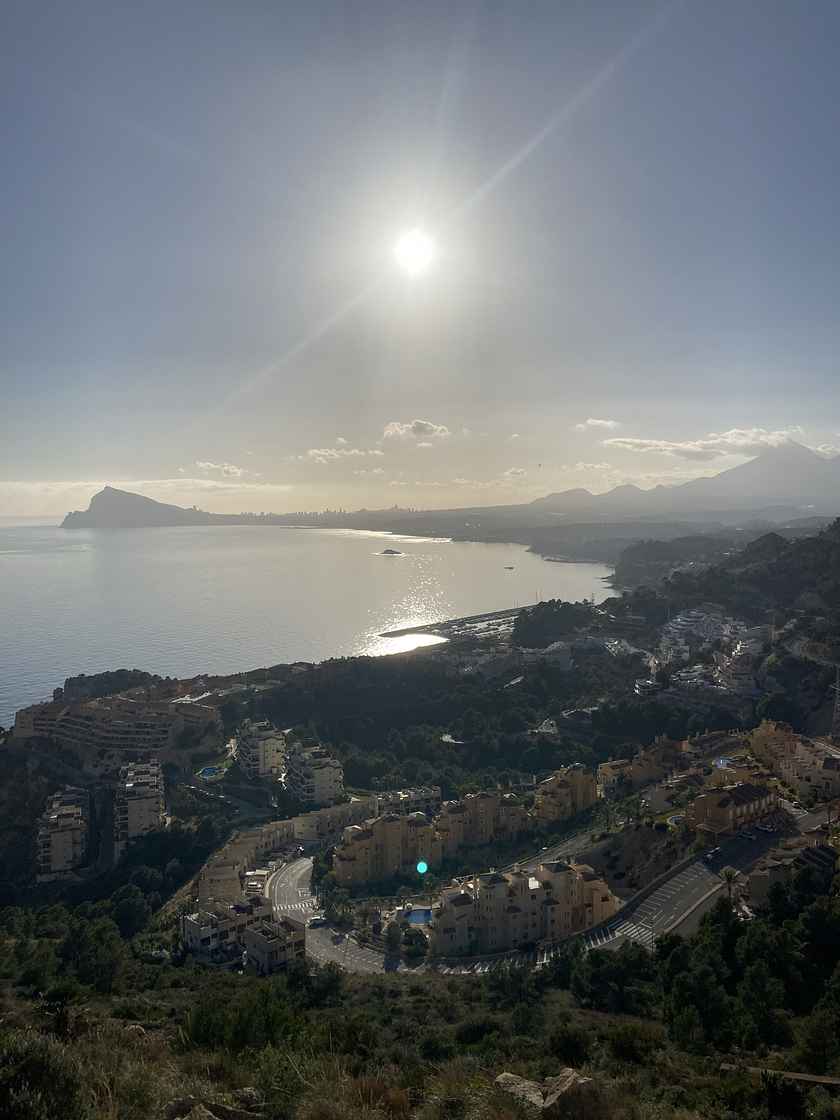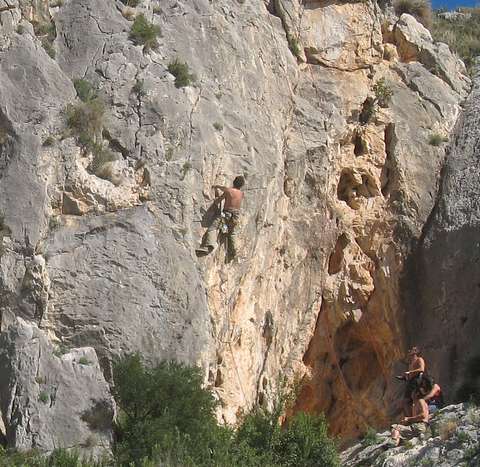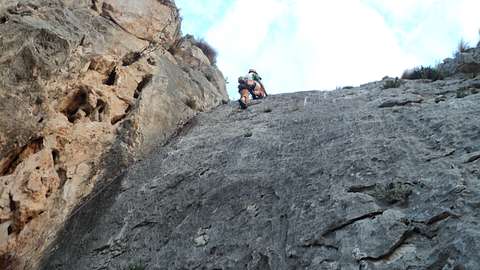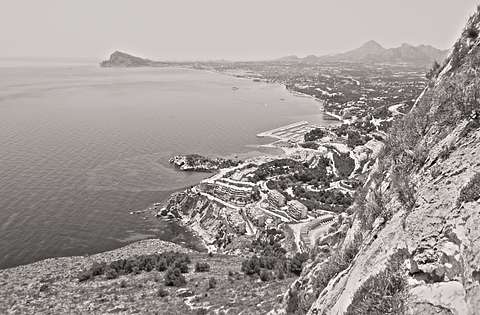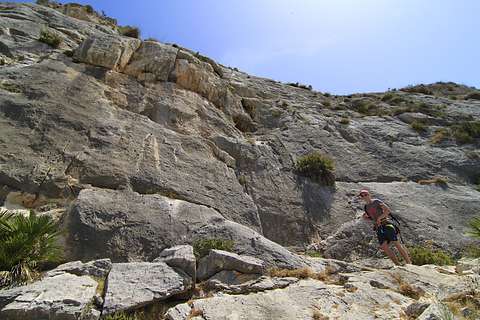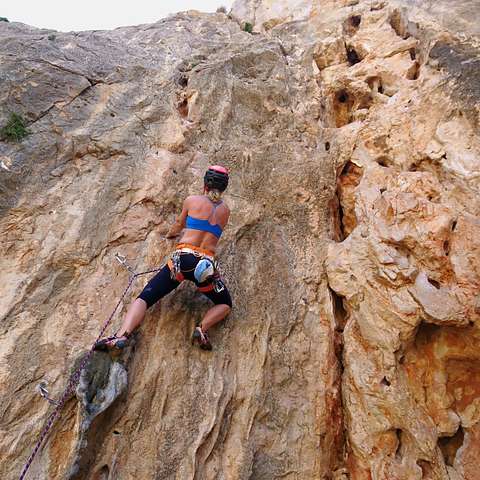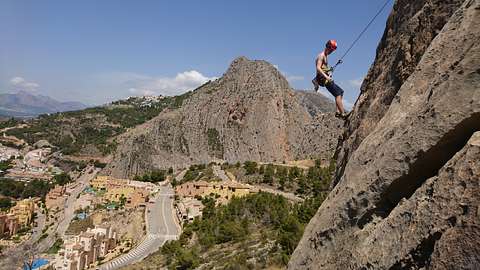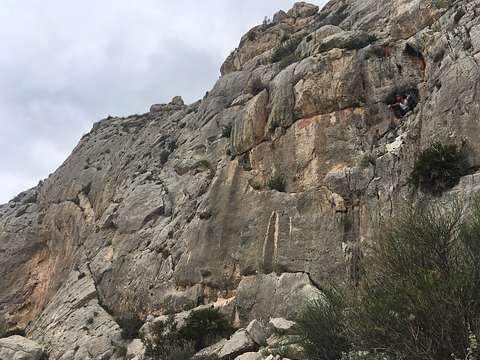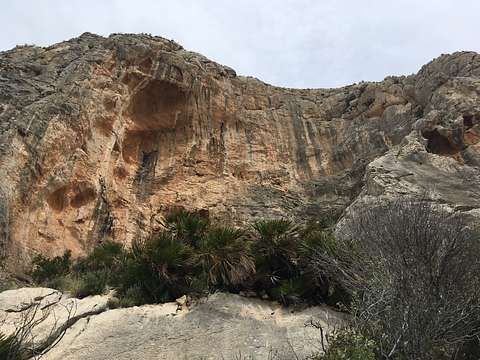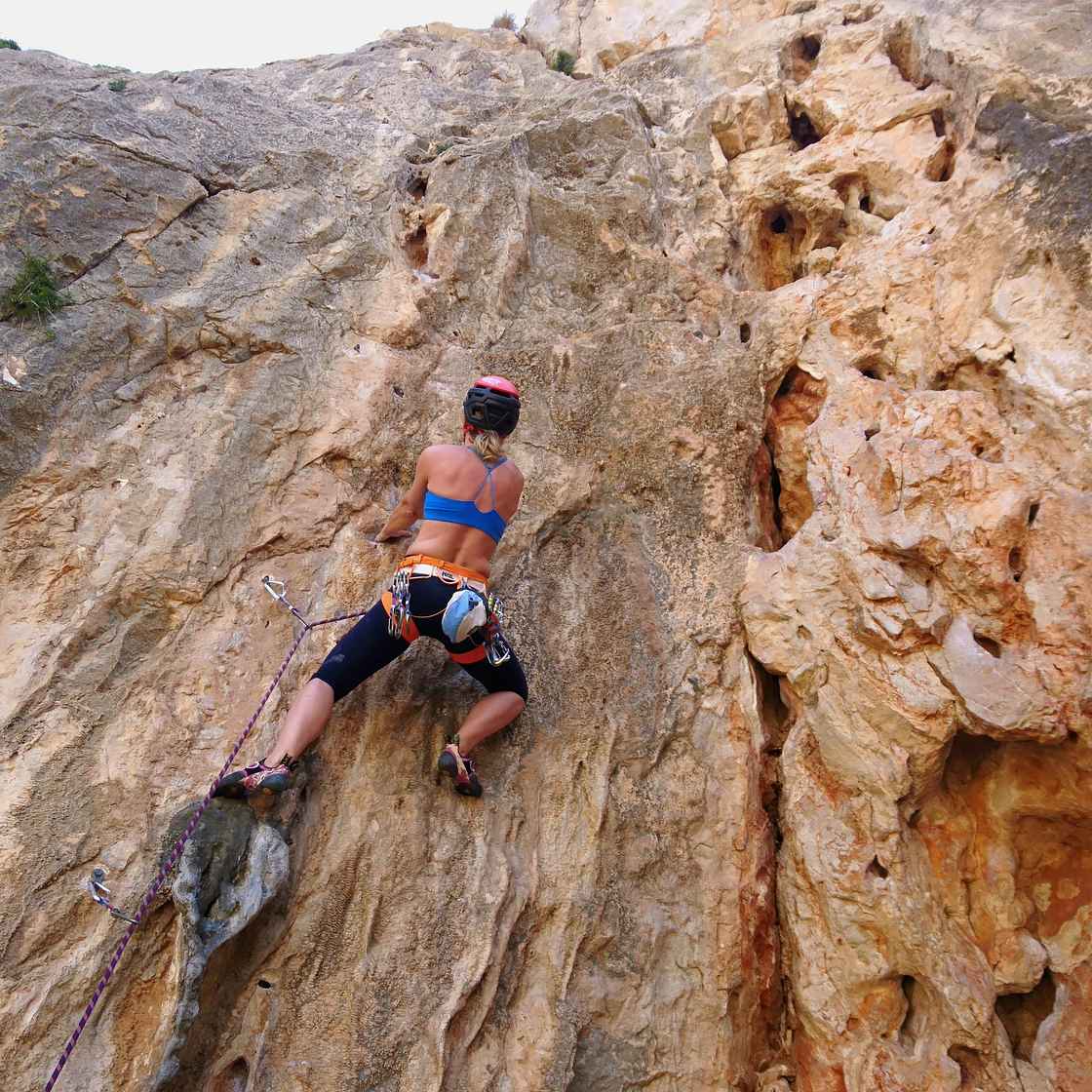
Although it may sound crazy to some, the Sierra de Toix is, by far, the most popular and visited climbing crag in the entire province of Alicante. It could almost be said that there is no day of the year without a climber on its walls, as it is a place full of long and nice walls of perfect gray limestone.
These facts have consolidated the Sierra as the climbing paradise on Earth for many climbers from central and northern Europe who flee during the winter looking for the bonanzas of our friendly Mediterranean climate. In addition, many adventure companies offer their climbing courses in the sectors of the western part of the school, so that the “climbing ambient” is more than guaranteed.
As a result, the Sierra Toix currently offers an outstanding set of more than 130 routes, where you will mainly find slabs or almost vertical walls, with itineraries ranging from 10 to 150 meters long, very affordable difficulties, generally below the sixth grade, a minimum approach and a south / southwest orientation that will provide you with sun most of the day. Thereupon, this crag contains everything needed to become one of the best areas of easy routes in the entire peninsula, but the reality is that, in addition to great virtues, it also harbors important defects.
The foreign origin of most of its routes - with an implicit style towards British trad climbing - together with its anarchic evolution, both of the re-equipment and of the new routes, has given rise to a tidal wave of spits, parabolts, chemicals and cordinos that, on some occasions, makes it impossible to discern the line to follow, in addition to things as absurd and implausible as the existence of a bathroom tap to be used as an anchor on the “El Baile” route.
On the other hand, and despite their low difficulty, many of their routes should be considered as trad climbing routes, due to the great distances between bolts and the large number of loose rocks in the areas with ledges. As a general rule, these routes must be considered as potentially dangerous. The accidents occurred in recent years serve as an example: one of them, in 2019, took away the life of one of the crag's main bolters.