☀️ SUN DURING THE DAY:
• Sunny and shaded faces are available; hours vary between boulders.
📱 PHONE SIGNAL:
• No reliable reception.
🌧️ CLIMBABLE IN THE RAIN:
• No.
💧 WATER SOURCE:
• Bring your own drinking water.
🧭 EXPOSURE:
• Various orientations, depending on the boulder and face.
🧱 ROCK TYPE:
• Granitoid gneiss.
📆 BEST PERIOD:
• Late spring to autumn, depending on snow. August and September are generally the best months; October can offer good friction but cold conditions.
👪 FAMILY FRIENDLY:
• Not ideal for young children: mountain approach, uneven terrain and exposed landings.
🇬🇧
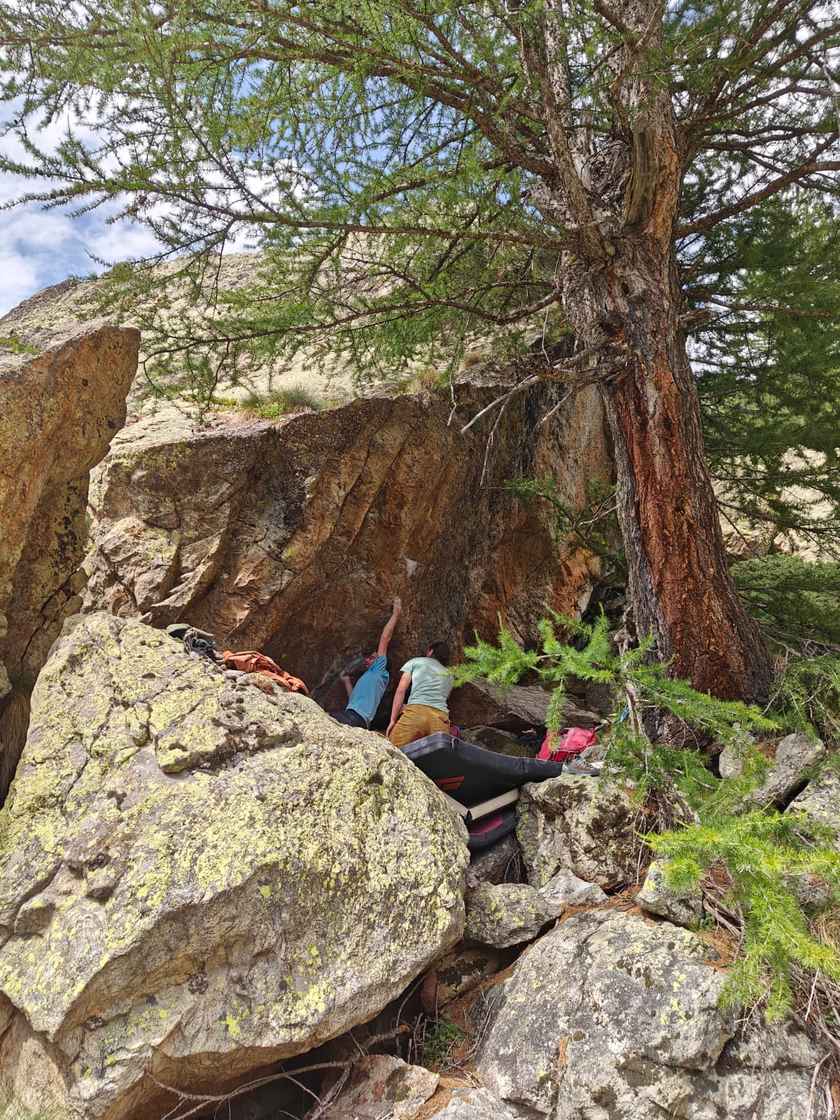
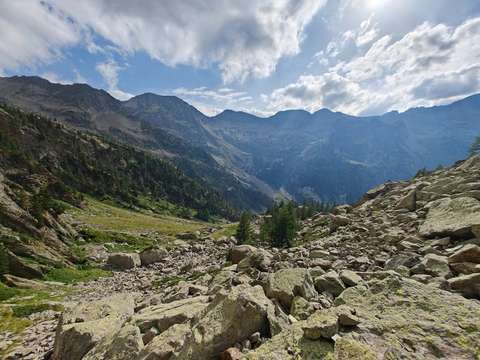
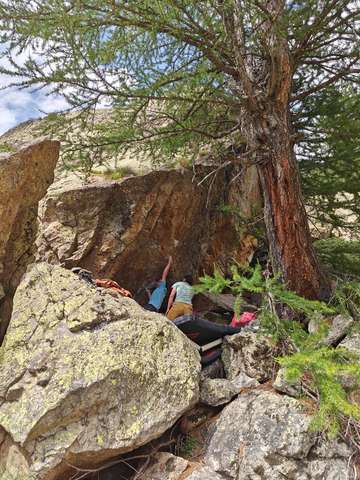
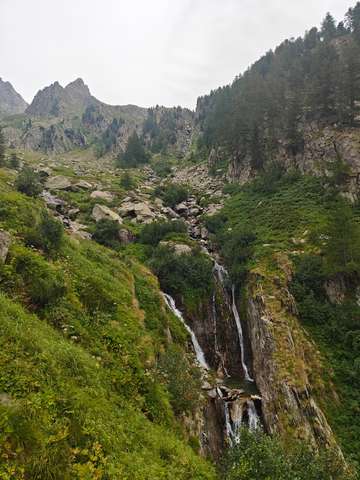
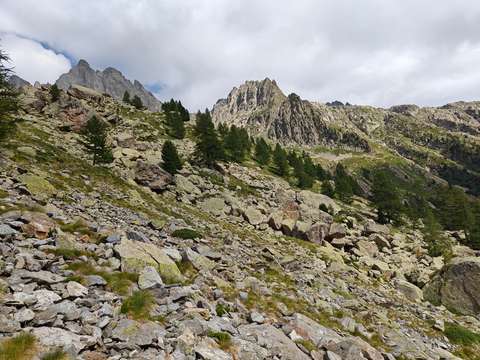
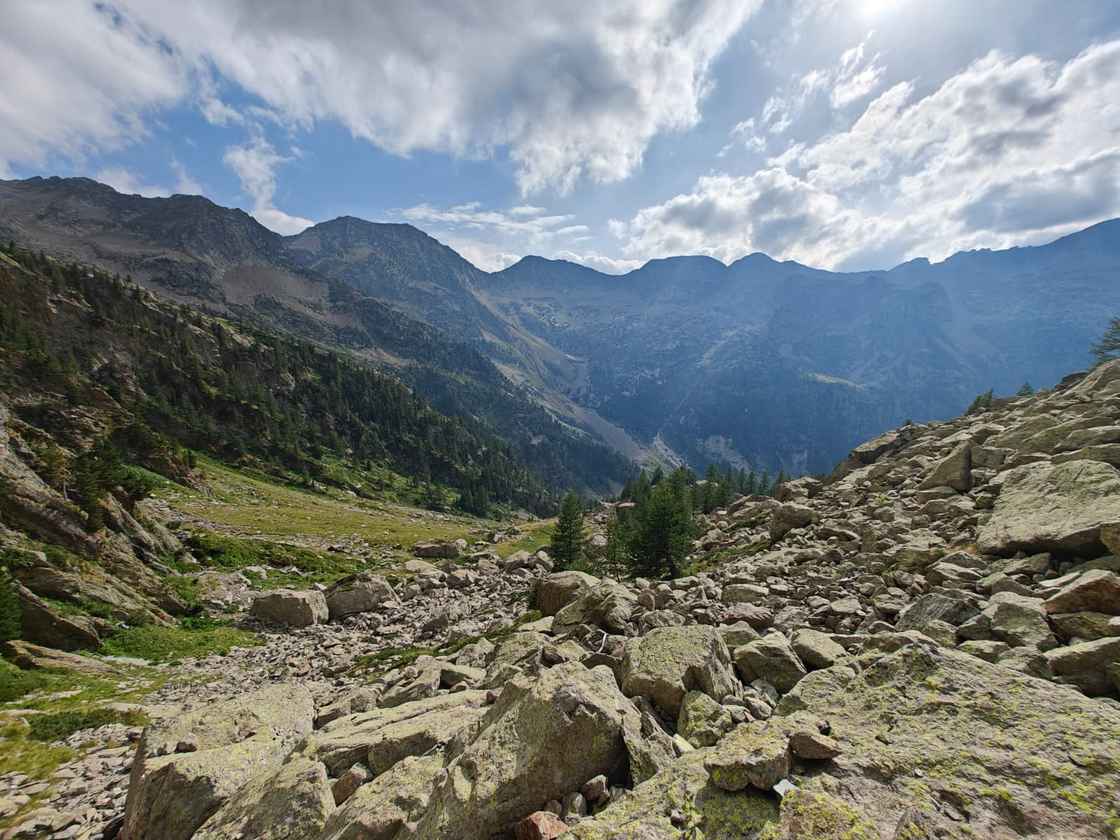
⛰️ Remondino is a mountain bouldering area in Valle Gesso, inside the Alpi Marittime Natural Park. The lower area lies around 2,000 m, in a field of large boulders below Rifugio Remondino.
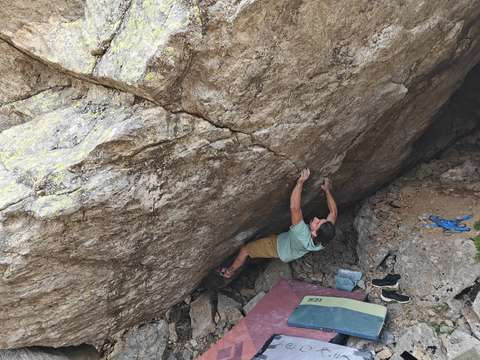
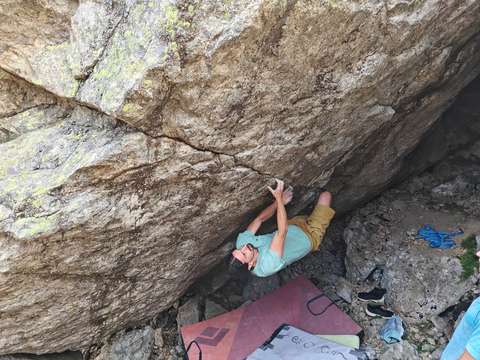
The climbing ranges from technical walls and cracks to rounded arêtes and powerful overhangs, with small edges, slopers and undercuts. Easier lines are scattered among the harder problems. Fungo offers a varied concentration of climbing, while L’Impossibile and Grande Patata include demanding lines and combinations.
Sun and shade differ considerably between faces. Summer temperatures are usually more comfortable than in the valley, and autumn can bring better friction. Afternoon fog and thunderstorms can develop quickly.
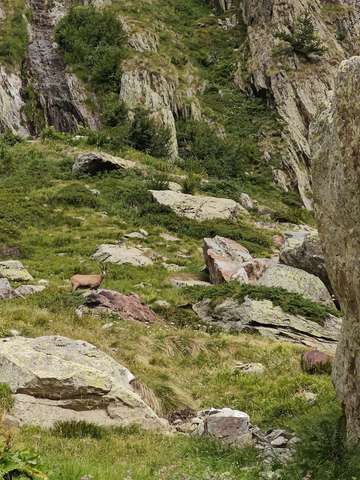
Landings range from grassy platforms to uneven rocks, and some problems are high or exposed. Bring suitable pads and attentive spotters, assess each landing and remember that assistance is a long way away. Respect the park, avoid disturbing wildlife and take all litter home.
🇮🇹
⛰️ Remondino è un’area boulder di montagna in Valle Gesso, all’interno del Parco Naturale delle Alpi Marittime. La zona bassa si trova intorno ai 2.000 metri, tra i grandi massi ai piedi del Rifugio Remondino.
L’arrampicata alterna muri tecnici e fessure a spigoli arrotondati e strapiombi fisici, con tacche, svasi e rovesci. I passaggi più facili sono distribuiti tra quelli di maggiore difficoltà. Il Fungo raccoglie stili diversi, mentre L’Impossibile e la Grande Patata offrono anche linee impegnative e combinazioni.
Sole e ombra cambiano sensibilmente da una faccia all’altra. In estate le temperature sono generalmente più gradevoli rispetto al fondovalle; in autunno si possono trovare condizioni migliori di aderenza. Nel pomeriggio possono svilupparsi rapidamente nebbia e temporali.
Le cadute variano da basi erbose a terreno roccioso irregolare, e alcuni passaggi sono alti o esposti. Servono crash pad adeguati e paratori attenti: valutate ogni atterraggio tenendo presente la distanza dai soccorsi. Rispettate il parco, non disturbate la fauna e riportate a valle tutti i rifiuti.