IT
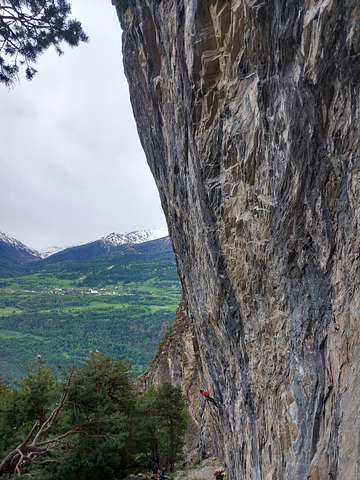
Falesia posta in un bel contesto montano e tranquillo, isolato (nella suggestiva gola geologica Jolischlucht) seppur non lontano dal fondovalle.
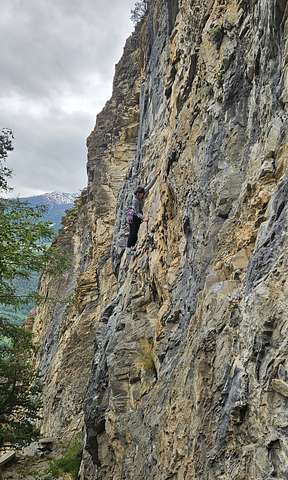
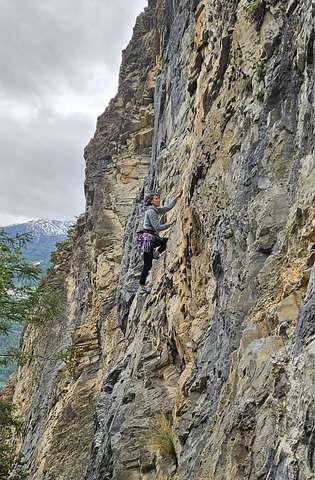
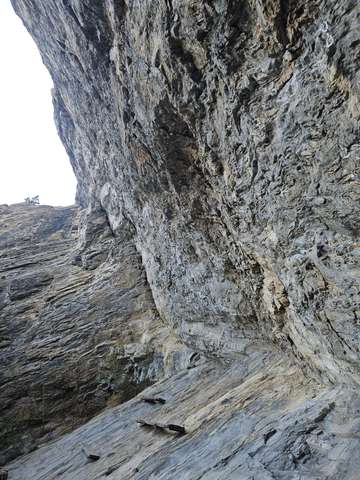
La roccia di Joli non è sicuramente tra le migliori che si possano trovare, come testimoniano anche i numerosi detriti alla base, frutto di un enorme lavoro di disgaggio, e a prima vista può apparire abbastanza deludente.
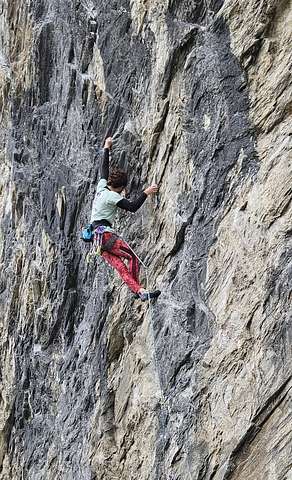
Tuttavia se non ci si lascia scoraggiare, nel provare i tiri ci si renderà conto dell'elevata qualità gestuale e varietà offerta dai tiri: sostenuti, difficili, impegnativi, con sequenze di non facile lettura e indubbia bellezza e particolarità.
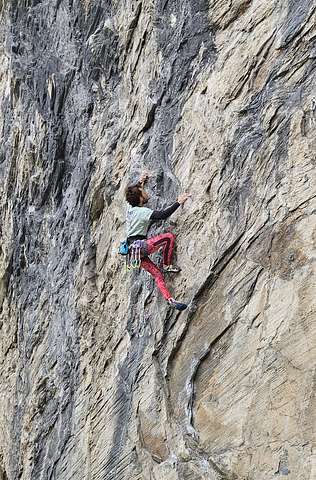
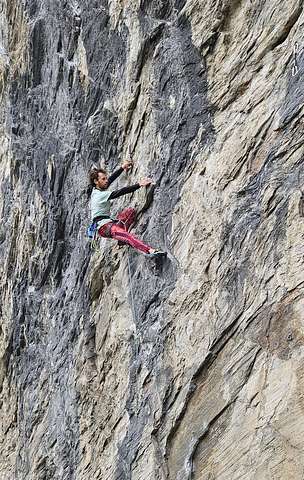
Le prese, tacche e piatte, sono sovente storte, rovesce e oblique, obbligando a un'arrampicata molto tecnica, mai scontata o banale, sempre intensa sulle dita e gli avambracci.
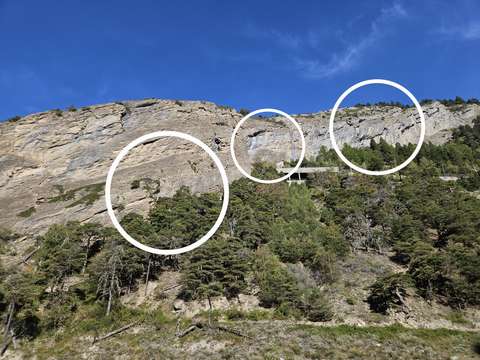
L'area è suddivisa in 4 settori, tranquillamente abbinabili nella stessa giornata:
- Settore A: piccolo settore situato in un pittoresco stretto canyon. Offre vie prevalentemente di alto livello su un pannello strapiombante con prese generalmente piatte e poco grippose. I tiri sono di resistenza, molto fisici, con sequenze decisamente intense e mai scontate e movimenti estetici nonostante la non eccezionale qualità della roccia che avrebbe bisogno di un po' più di frequentazione.
- Settore B: forse il settore meno interessante, ma a due passi dal parcheggio; presenta una decine di vie su muro o placca leggermente appoggiata di 6c/7a.
"Tarzan", che da il nome al settore, è probabilmente la via più meritevole.
- Settore C: posto poco sotto al Settore D, e quindi comodamente abbinabile, offre una manciata di vie di sesto grado e qualche interessante e non scontato tiro di settimo.
- Settore D: il settore per eccellenza di Joli, un ampio pannello verticale e leggermente strapiombante (ampliato ulteriormente nel 2025/2026) con numerosi tiri, alcuni anche parecchio lunghi, di settimo e ottavo grado.
Arrampicata difficile, molto bella, di resistenza e tecnica ma anche con sequenze boulderose e poco intuitive, sovente su prese spallate e rovesce, generalmente intensa sulle dita.
Porre attenzione, sopratutto sulle vie più recenti, che qualcosa potrebbe ancora staccarsi.
Le mezze stagioni sono indubbiamente il periodo migliore per scalarci ma, volendo, è frequentabile anche in estate e, forse, per i più temerari qualche ora in inverno nei giorni non particolarmente freddi (e quando non vi sia neve, anche perchè la strada da percorrere in macchina non viene pulita dai mezzi antineve), giocando bene con le esposizioni.
L'area comunque è generalmente ventilata, offrendo parecchie giornate di ottime condizioni.
In caso di piogge non troppo forti e prolungate la falesia rimane tendenzialmente asciutta, tuttavia in primavera alcuni tiri del Settore "Umparrang" possono presentare alcune colate.
In definitiva, nonostante potrebbe risultare deludente agli occhi degli schizzinosi della roccia, a parere dell'autore Joli è una bellissima falesia con tiri unici, che vale assolutamente la pena frequentare.
GB
A crag set in a beautiful, peaceful and secluded mountain setting (in the picturesque Jolischlucht gorge), though not far from the valley floor.
The rock at Joli is certainly not among the best you’ll find – as evidenced by the large amount of scree at the base, the result of extensive rock-clearing work – and at first glance it may seem rather disappointing.
However, if you don’t let yourself be put off, when you try the routes you’ll realise the high technical quality and variety they offer: sustained, difficult and demanding, with sequences that are not easy to read, yet undeniably beautiful and distinctive.
The holds – both crimps and slopers – are often askew, inverted and slanted, forcing a highly technical style of climbing that is never predictable or banal, and always demanding on the fingers and forearms.
The area is divided into four sectors, which can easily be combined in a single day:
- Sector A: a small sector situated in a picturesque, narrow canyon. It offers mainly high-level routes on an overhanging wall with holds that are generally flat and offer little grip. The routes are endurance-based, very physical, with decidedly intense and never predictable sequences, and aesthetically pleasing movements despite the rock’s less-than-exceptional quality, which could benefit from a bit more use.
- Sector B: perhaps the least interesting sector, but just a stone’s throw from the car park; it features a dozen or so routes on a wall or slightly sloping slab graded 6c/7a.
‘Tarzan’, which gives the sector its name, is probably the most worthwhile route.
- Sector C: situated just below Sector D, and therefore easily combined with it, it offers a handful of grade 6 routes and a few interesting and challenging grade 7 pitches.
- Sector D: Joli’s sector par excellence, a large vertical and slightly overhanging wall (further expanded in 2025/2026) with numerous pitches – some of them quite long – of grade 7 and 8.
Difficult, very beautiful climbing, requiring endurance and technique, but also featuring bouldery and counter-intuitive sequences, often on shoulder moves and reverse holds, generally demanding on the fingers.
Take care, especially on the more recent routes, as rock may still come loose.
The shoulder seasons are undoubtedly the best time to climb here, but it can also be visited in summer if you wish, and perhaps, for the more daring, for a few hours in winter on days that aren’t particularly cold (and when there is no snow, not least because the road leading there isn’t cleared by snowploughs), by choosing carefully the exposure.
The area is generally well-ventilated, offering plenty of days with excellent conditions.
In the event of rain that is not too heavy or prolonged, the crag tends to remain dry; however, in spring, some routes in the Umparrang Sector may have some water running down them.
Ultimately, although it might prove disappointing to the more discerning climbers, in the author’s opinion, Joli is a beautiful crag with unique routes that is absolutely well worth a visit.