IT
-"Luciano Bettineschi":
falesia posta in magnifico luogo panoramico, non lontano dal paese ma in un contesto appartato e tranquillo.
I tiri si sviluppano lungo placche di ottima roccia lavorata a tacche e fessurazioni (pochissime sono le eccezioni di lunghezze strapiombanti) in cui l'arrampicata tecnica la fa da padrona.
Il muro è decisamente esposto al sole sin dal mattino, indi scegliere bene le giornate in cui scalarci, tenendo conto che dal tardo autunno il sole sparisce presto dietro la montagna antistante e le temperature possono farsi poco amichevoli; porre attenzione alla frequentazione nel periodo del disgelo, causa rischio di caduta pietre.
I tiri sono contrassegnati da ordinate targhette alla base.
-"Grotta di Girunu":
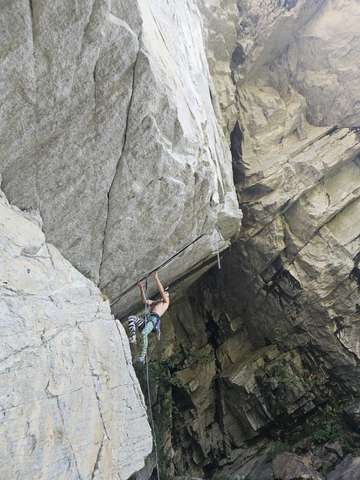
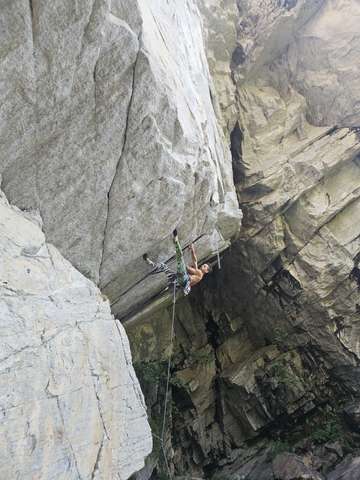
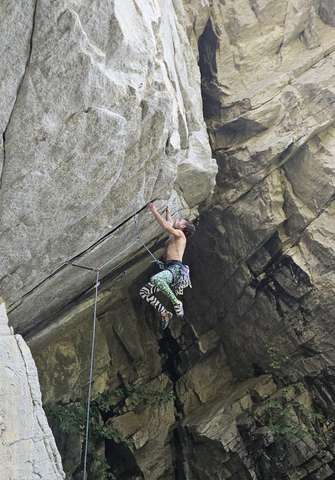
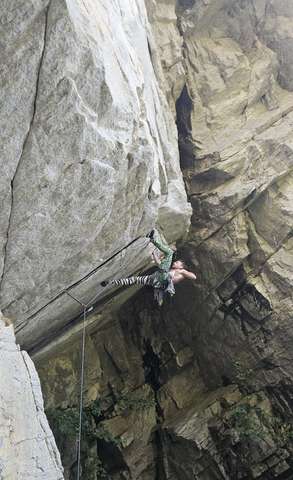
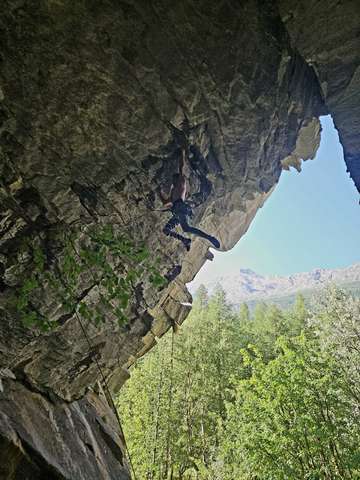
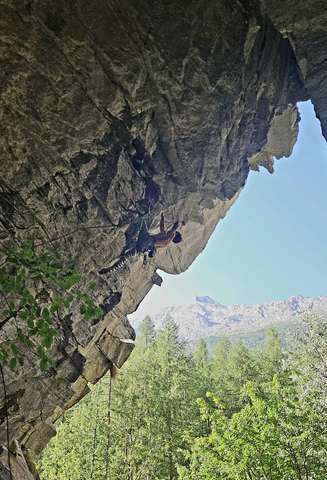
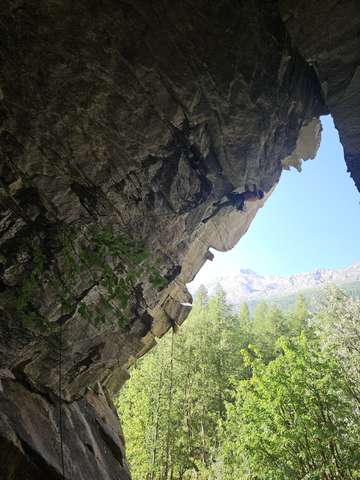
completamente diversa dal vicino settore "Luciano Bettineschi", questo piccolo grottino offre lunghezze più atletiche con sezioni strapiombanti, quasi tutte naturali.
La roccia, causa scarsa frequentazione, è a tratti ancora un po sgranosa e polverosa; i tiri sono comunque meritevoli e divertenti per chi, in zona, ha qualche ora di tempo e voglia di scalare su qualcosa di più fisico.
Nonostante l'esposizione a sud, i tiri interni rimangono ombreggiati (e asciutti in caso di pioggia) per tutta la mattinata e da circa metà pomeriggio in poi, prestandosi abbastanza bene a qualche ora di arrampicata estiva.
-"Parete di Pecetto":
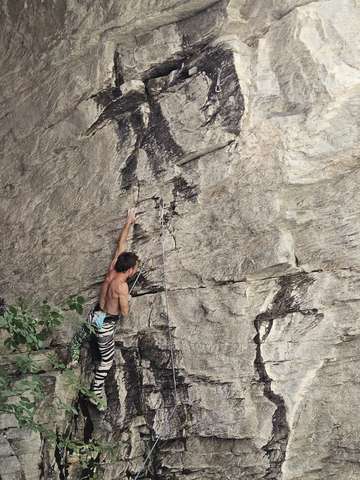
è la parete posta fuori dal lato destro del grottino e offre 3 vie di arrampicata sportiva ben protette a spit: oltre ai rinvii portare eventualmente giusto qualche fettuccia per allungare alcuni ancoraggi.
L'arrampicata si sviluppa lungo placche e muri verticali intervallati da tetti e strapiombi.
Discesa in doppia dalle vie con corda di 70 metri.
Anche qui è consigliato evitare il periodo del disgelo.
GB
-‘Luciano Bettineschi’:
a crag situated in a magnificent, panoramic setting, not far from the village but in a secluded and peaceful spot.
The routes run along slabs of excellent rock featuring crimps and cracks (with very few overhanging sections), where technical climbing takes centre stage.
The wall is very exposed to the sun from early morning onwards, so choose your climbing days carefully, bearing in mind that from late autumn the sun disappears early behind the mountain opposite and temperatures can become rather unpleasant; take care when visiting during the thaw period, due to the risk of rockfall.
The routes are marked by neat signs at the base.
- ‘Grotta di Girunu’:
completely different from the nearby ‘Luciano Bettineschi’ sector, this small cave offers more athletic pitches with overhanging sections, almost all of which are natural.
Due to low visitor numbers, the rock is still a little grainy and dusty in places; the routes are nonetheless worthwhile and enjoyable for anyone in the area with a few hours to spare and a desire to tackle something a bit more physically demanding.
Despite the south-facing aspect, the inner routes remain in the shade (and dry in the event of rain) throughout the morning and from around mid-afternoon onwards, making them quite suitable for a few hours’ summer climbing.
-‘Parete di Pecetto’:
this is the face situated to the right of the small cave and offers three well-bolted sport climbing routes: in addition to quickdraws, you may wish to bring a few slings to extend some of the bolts.
The climbing takes place along slabs and vertical walls interspersed with overhangs and roofs.
Abseil down the routes using a 70-metre rope.
Here too, it is advisable to avoid the thaw period.