From Val Vigezzo drive up Val Loana until you see a parking lot on the right side of the road, there is a locked gate and a dirt road.
For the upper sector pass the gate and walk down the dirt road, after the bridge turn left on the smaller dirt road and find your way down the river. Do not continue on the small road, big cliffs head.
For the lower sector there are two options, from the parking lot you can walk down the dirt road that leads to the power house ~20 mins or take a shortcut through the meadows ~10 mins.
For 'beautiful boy's kidnapper' it's better to park near Rio Tana and walk down the wood.
**Do NOT drive down the dirt road even if you find the gate open!**
Most of the boulders are in the riverbed so there are no paths.
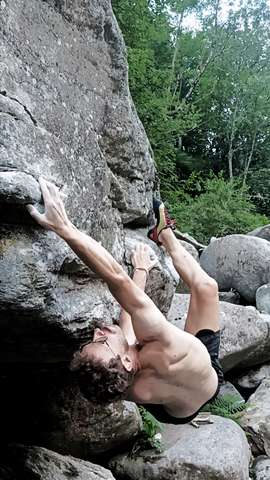
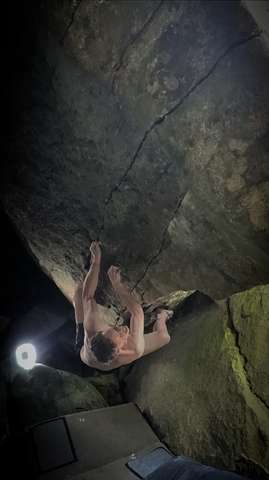
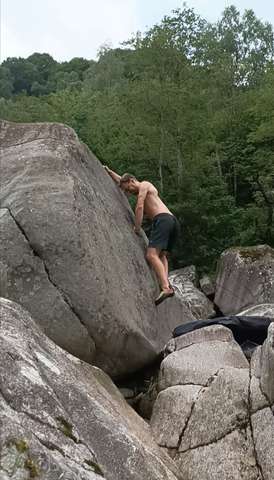
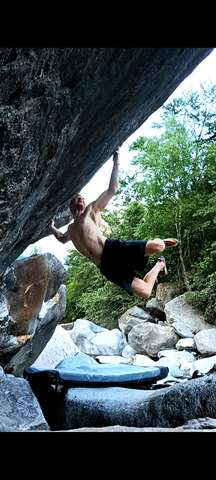
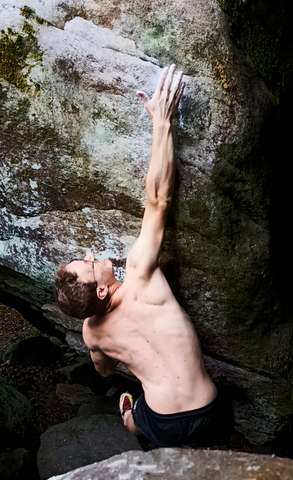
The Val Loana bouldering area is a perfect summer alternative to the more popular spots like Foppiano or Magic Wood. The area stretches along the Loana torrent, which flows down from the summit of Laurasca. The bouldering zone sits at an elevation of roughly 950 to 1,350 meters. The narrow, shady valley and the breeze make it ideal for summer climbing, although the best conditions are undoubtedly found during the shoulder seasons. The proximity of the river allows for a swim between climbing sessions. The area was cleaned up and developed in 2013–2014; many of the boulders require a recleaning of moss or thick layers of lichen, though some of the main lines were also recleaned up in 2026. There are two/three different qualities of rock, the low sector is mostly a very high quality gneiss. The higher sector is steatite (soapstone), a totally frictionless, very soft and glass like rock that has been shaped by water over centuries. On both gneiss and steatite one often encounters very difficult top outs with incredibly polished holds, and footholds are most of the times completely absent. In general, the climbing style is intensely physical.
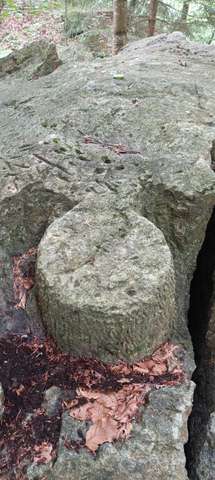
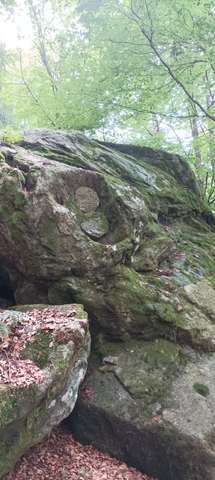
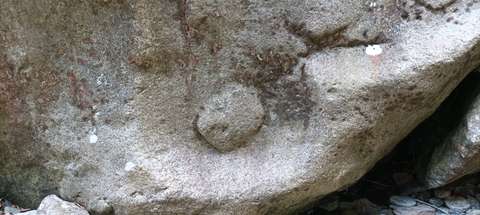
The boulders located in the woods away from the river, however, are completely different, the rock features small pockets resembling volcanic rock. The steatite boulders were quarried for about 2,000 years to make cooking pots and small tools, and the characteristic round marks left on the rock are easily recognizable. The stream is prone to flooding after heavy rain, so its course—and the position of the boulders in the riverbed—constantly changes. It is not uncommon to find boulders that have shifted or even completely flipped over..
**Steatite CANNOT be cleaned with iron brushes**
**Due to the total lack of friction on steatite boulders that present this rock do not have grades, passages that can look like 6 can easily be 8, even if the moves are not difficult. It really feels like climbing on ice and giving a grade to friction instead of moves doesn't make a lot of sense**