☀️ SUN DURING THE DAY:
• You have sun during the all day long
📱 PHONE SIGNAL:
• LOW
🌧️CLIMBABLE IN THE RAIN:
• NO
💧WATER SOURCE:
• YES
🧭 EXPOSURE:
• South for all of the crags
🧱ROCK TYPE:
•The rock here is Limstone
📆 BEST PERIOD:
• All year around, not best in Summer
👪 FAMILY FRIENDLY:
• YES
🇬🇧
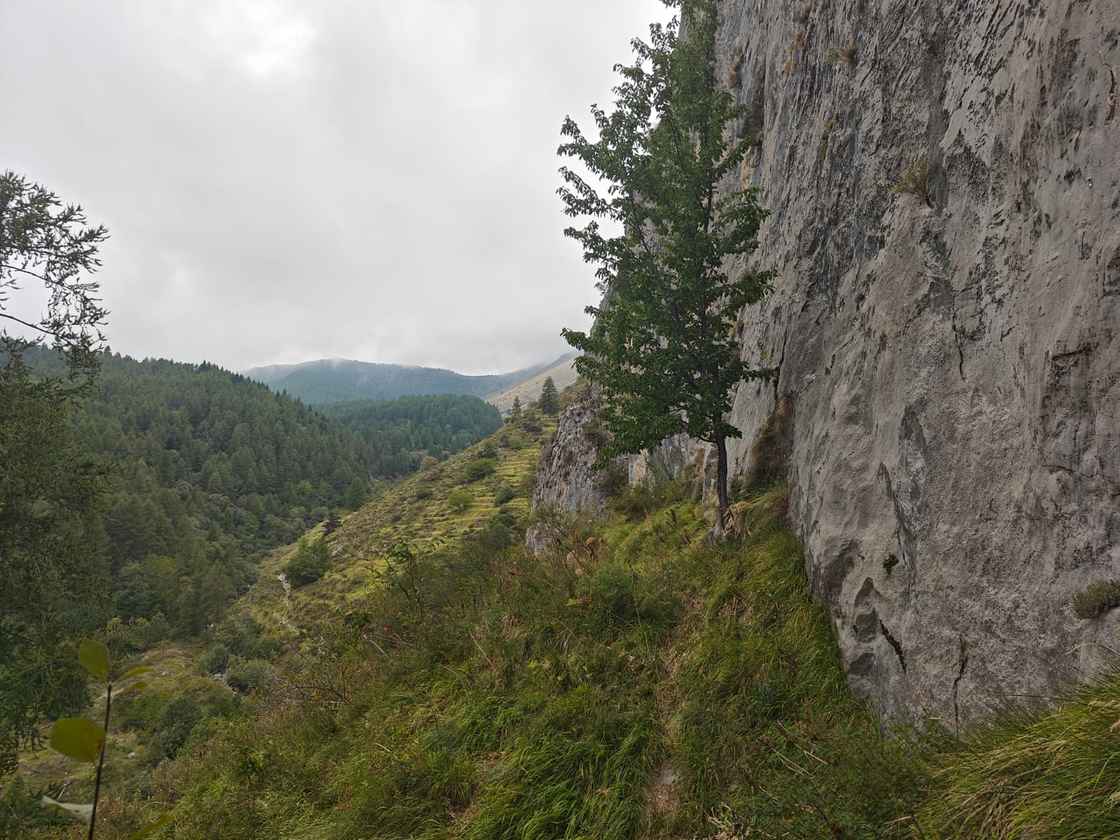
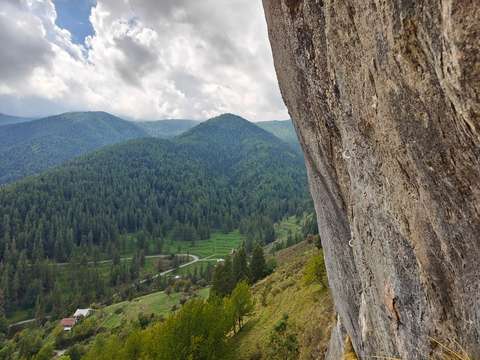
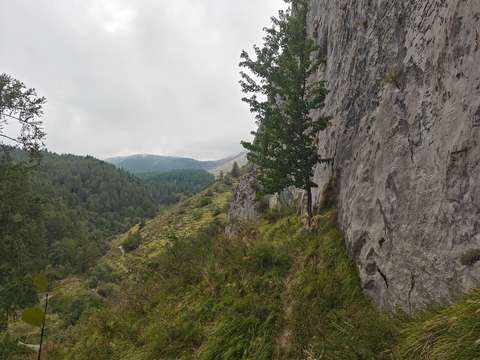
⛰️The Upega area is truly fascinating and offers a great variety of climbing in a beautiful alpine setting. The area has been divided into Upper and Lower Upega to make navigation between the different sectors easier.
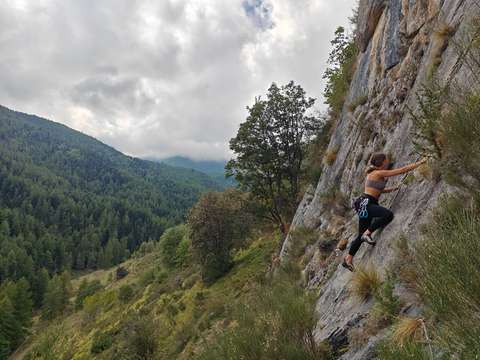
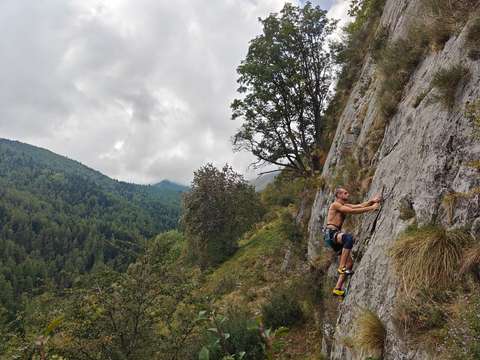
The climbing is predominantly on very high-quality limestone, with a good variety of styles ranging from slabby and technical terrain to vertical walls, with some more overhanging sections. Most routes are between 15 and 30 metres long, while a few crags offer longer lines reaching up to around 35 metres.
The whole area is particularly pleasant, combining good-quality climbing with a peaceful mountain environment. The routes are generally well bolted, and none of the sectors require more than about 20 minutes of approach, making Upega a convenient destination despite its alpine character.
Overall, Upega is a beautiful and varied climbing destination, with quality rock, well-equipped routes, short approaches and a spectacular mountain atmosphere. The area definitely deserves a visit.
🇮🇹
⛰️La zona di Upega è davvero affascinante e offre una grande varietà di arrampicata in un bellissimo ambiente alpino. L’area è stata suddivisa in Alta e Bassa Upega per rendere più semplice la navigazione tra i diversi settori.
L’arrampicata si sviluppa prevalentemente su calcare di ottima qualità, con una buona varietà di stili che spaziano da placche appoggiate e tecniche a pareti verticali, con qualche tratto più strapiombante. Le vie sono generalmente comprese tra i 15 e i 30 metri, mentre alcune falesie raggiungono i 35 metri.
L’intera zona è particolarmente piacevole, combinando roccia di qualità, arrampicata varia e un tranquillo ambiente montano. Le vie sono generalmente ben chiodate e nessun settore richiede più di circa 20 minuti di avvicinamento, rendendo Upega una meta comoda nonostante il carattere alpino della zona.
Nel complesso, Upega è una bellissima e variegata destinazione, con ottima roccia, vie ben attrezzate, avvicinamenti brevi e un suggestivo ambiente di montagna. Una zona che merita sicuramente una visita.
🇬🇧
⏪⌚The history of climbing in the Valley dates back to the 1990s, when Ferraris began exploring and developing the area. During the same period, some of the crags were discovered by Galizio and Bogliolo, who also identified the famous Parabole sector.
In the following years, development continued thanks to the contribution of numerous climbers. Fulvio Balbi, Bertozzi, Costantini, Maspes and Margot played an important role in developing the area, contributing to the discovery, cleaning and bolting of several sectors. In particular, in 2009 Bertozzi worked on cleaning and restoring the Parabole, which had originally been identified in the 1990s.
Over the years, Paolo Ramo, Clementi and the CAI of Imperia also contributed to the continued growth of the valley. Further support for the bolting came from Porta del Sole, the team based at the refuge, which actively collaborated in the development of the crags.
Overall, many of the walls in the valley were identified as early as the 1990s, but it was mainly during the early 2000s that the area was progressively developed, equipped and made more accessible, eventually becoming the important climbing destination it is today.
🇮🇹
⏪⌚La storia dell’arrampicata nella Valle affonda le sue radici negli anni Novanta, quando Ferraris iniziò a esplorare e sviluppare la zona. Nello stesso periodo, alcune delle falesie furono scoperte da Galizio e Bogliolo, che individuarono anche le celebri Parabole.
Negli anni successivi lo sviluppo proseguì grazie al contributo di numerosi arrampicatori. Fulvio Balbi, Bertozzi, Costantini, Maspes e Margot diedero un importante impulso alla valorizzazione della zona, contribuendo alla scoperta, alla pulizia e alla chiodatura di diversi settori. In particolare, nel 2009 Bertozzi si occupò della pulizia e della riqualificazione delle Parabole, già individuate negli anni Novanta.
Nel corso degli anni sono passati dalla valle anche Paolo Ramo, Clementi e il CAI di Imperia, contribuendo alla progressiva crescita dell’area. Un ulteriore supporto alla chiodatura è arrivato dalla Porta del Sole, il team del rifugio, che ha collaborato attivamente allo sviluppo delle falesie.
In generale, molte delle pareti della valle furono individuate già negli anni Novanta, ma è soprattutto nei primi anni Duemila che la zona venne progressivamente valorizzata, attrezzata e resa più fruibile, trasformandosi nell’importante area di arrampicata che conosciamo oggi.