🚶♂️ 10' - ⛰️ 430 MSL - 🧭 S
☀️ Almost all day / Quasi tutto il giorno
🇬🇧/🇺🇸
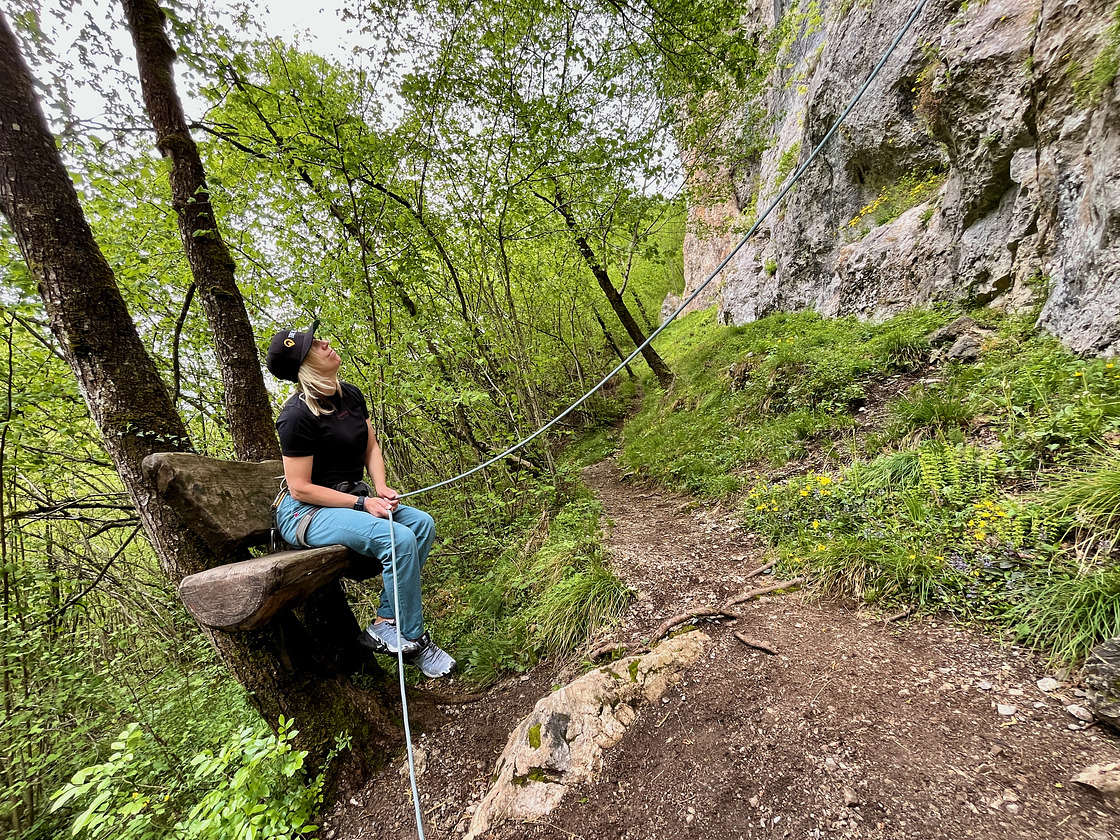
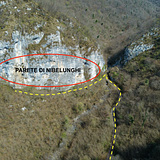
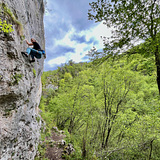
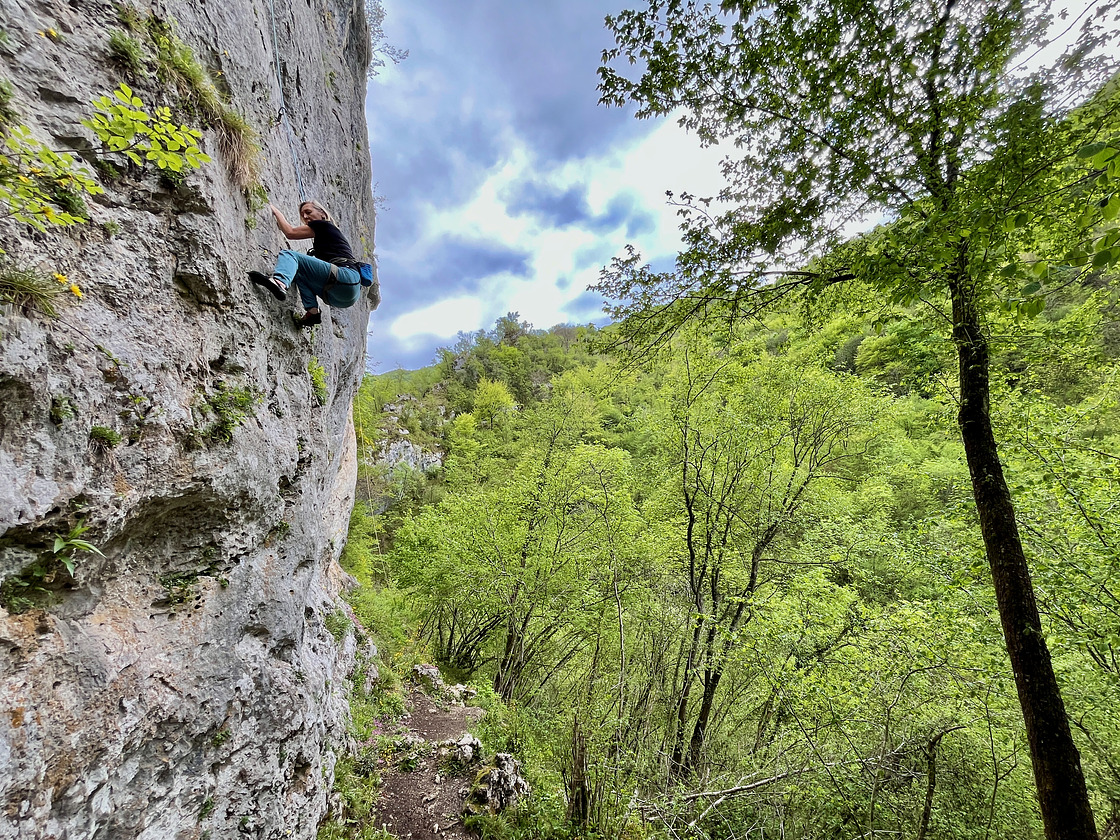
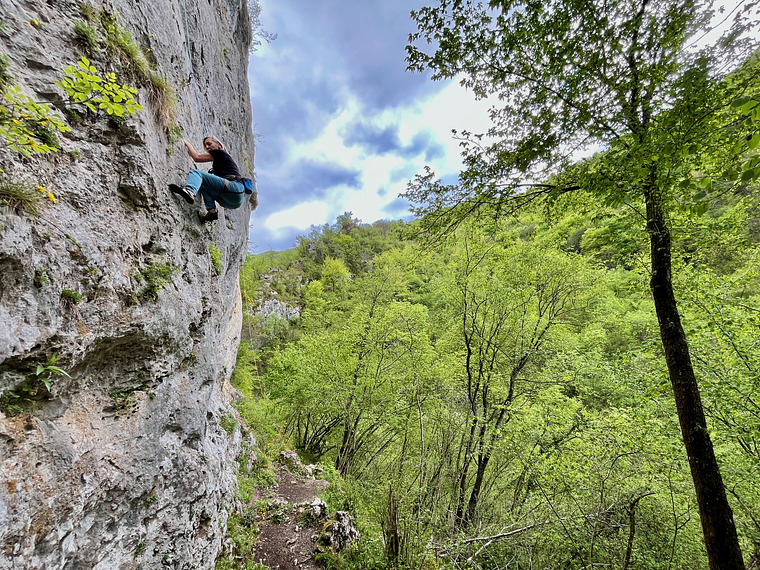
Parete dei Nibelunghi is a splendid rock mirror immersed in the peaceful, forgotten valley of Canale, just north of Lavenone.
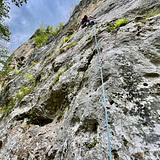
The wall is vertical or slightly overhanging, characterized by good-quality limestone full of crimps and pockets. The crag offers 15 distinct lines ranging from 5c to 7b+. The routes are quite long, reaching up to 30 meters, with some lines divided into two pitches featuring intermediate anchors. The climbing style demands solid technique but also good endurance due to the length of the pitches. It is highly recommended to bring plenty of quickdraws (more than 15) and a 70/80-meter rope. The grades are not extremely high, making the crag accessible and enjoyable for many climbers. The most interesting pitches are located in the central part of the wall, particularly "Celeste" and "Ke amici".
The crag is well bolted, with protections that are never too far apart. However, wearing a helmet is highly advised, as the rock—especially on the left side of the wall—might not always be perfectly compact.
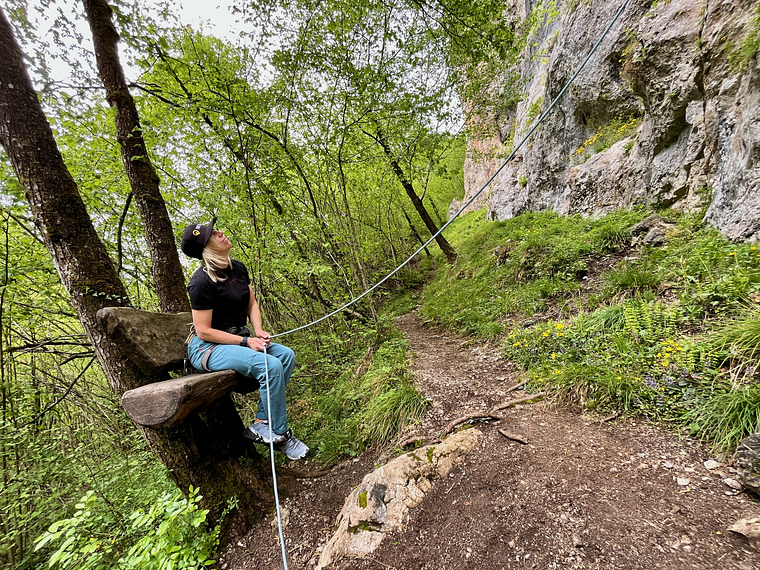
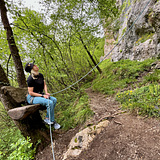
Facing south / south-east, the cliff receives plenty of sun starting from the morning. The best seasons for climbing here are the cooler periods: mid-seasons and mild winter days. The approach is short, and the base of the crag is comfortable.
Rest Days/Nearby: When you are not climbing, the Lavenone area and the Valle Sabbia offer fantastic outdoor opportunities. You can visit the nearby Lake Idro, perfect for a refreshing swim, relaxing on its beaches, or exploring its nature reserve. For hikers and mountain bikers, the trails around the mountain village of Presegno or the climbs up to Monte Stino and Passo Baremone offer breathtaking views and authentic local cuisine at the mountain huts.
🇮🇹
La Parete dei Nibelunghi è uno splendido specchio di roccia immerso nella quiete della dimenticata valletta di Canale, a nord di Lavenone.
Il muro è verticale o leggermente strapiombante, caratterizzato da un buon calcare a tacche e buchi. La falesia offre 15 linee distinte con gradi dal 5c al 7b+. Le vie sono lunghe fino ad una trentina di metri, e alcune sono divise in due tiri con sosta intermedia. Lo stile di arrampicata richiede tecnica ma anche un'ottima resistenza vista la lunghezza degli itinerari. È necessario portare molti rinvii (più di 15) e una corda da 70 o 80 metri. Le difficoltà non sono estreme, rendendo il sito accessibile a un vasto pubblico di arrampicatori. Le lunghezze più interessanti si trovano nella parte centrale del muro, in particolare "Celeste" e "Ke amici".
La falesia è ben chiodata, con protezioni mai troppo distanti. Tuttavia, si consiglia vivamente l'uso del casco poiché la roccia, specialmente nella parte sinistra, potrebbe non essere sempre super compatta.
L'esposizione a sud / sud-est garantisce sole sulla parete per molte ore della giornata, a partire dal mattino. I periodi ottimali sono quelli freschi, durante le mezze stagioni e nelle giornate invernali non troppo fredde. L'avvicinamento è breve e la base dei settori è comoda.
Al di fuori dell'arrampicata, le aree di Lavenone e della Valle Sabbia offrono eccellenti opportunità turistiche. Potete visitare il vicinissimo Lago d'Idro, l'ideale per un bagno rinfrescante, per rilassarsi sulle spiagge o per esplorare la sua riserva naturale. Per gli amanti del trekking e della mountain bike, i sentieri attorno al borgo di Presegno o le salite verso il Monte Stino e il Passo Baremone regalano panorami mozzafiato e ottima cucina tipica nei rifugi.